Mon to Thu 7:30 am to 5:00 pm · Same-day emergencies
Nine ways we look after growing smiles
Treatments sized for small mouths
Every treatment below is planned around how kids think, feel and grow. Tap any one to see what happens, what it costs and what parents ask us about it.
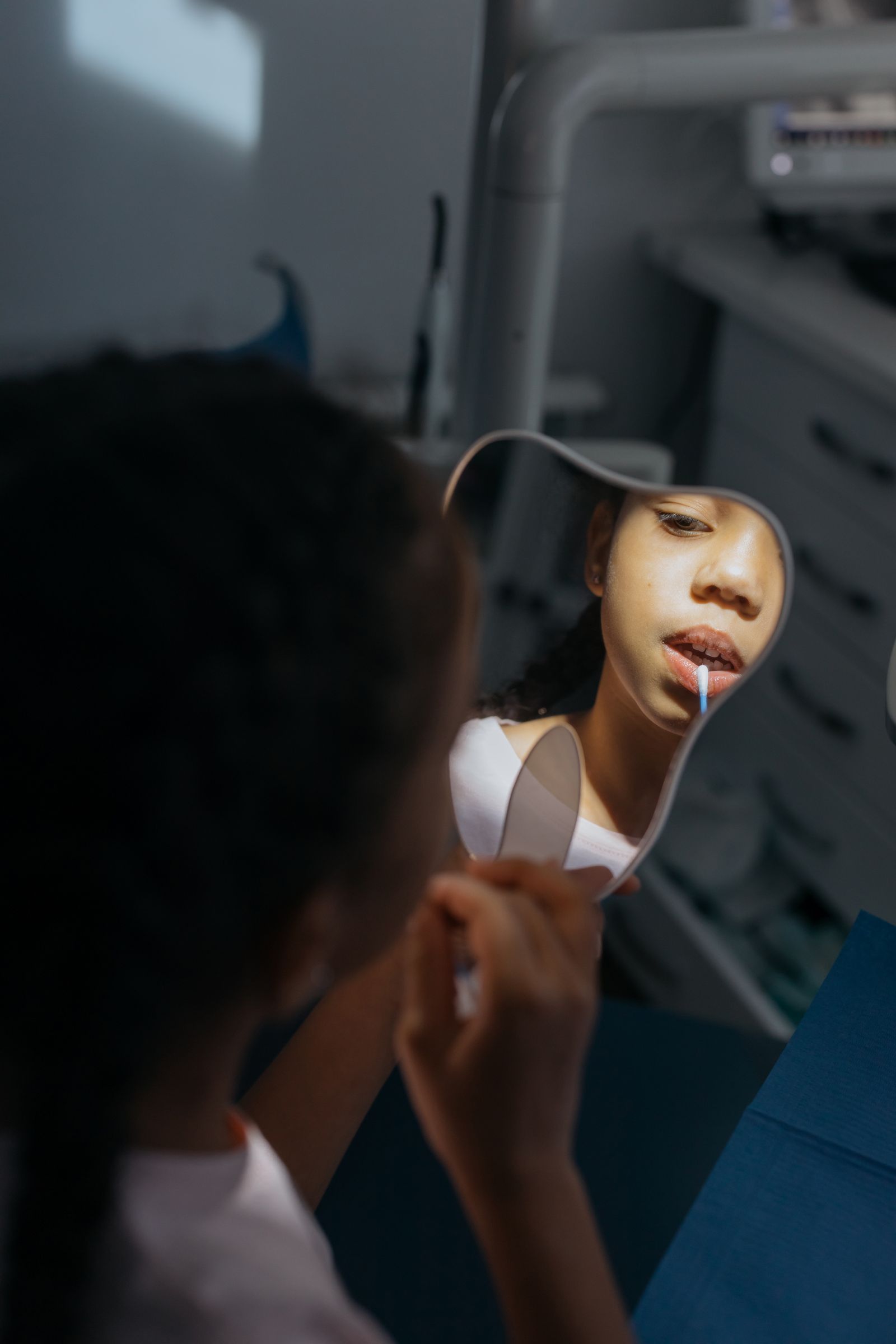
Under three, the whole visit happens on your lap in a knee-to-knee exam. We count teeth, lift the lip to check the gumline where early decay hides, paint fluoride varnish and talk through teething, bottles and brushing. Nothing is forced and nothing is a surprise.
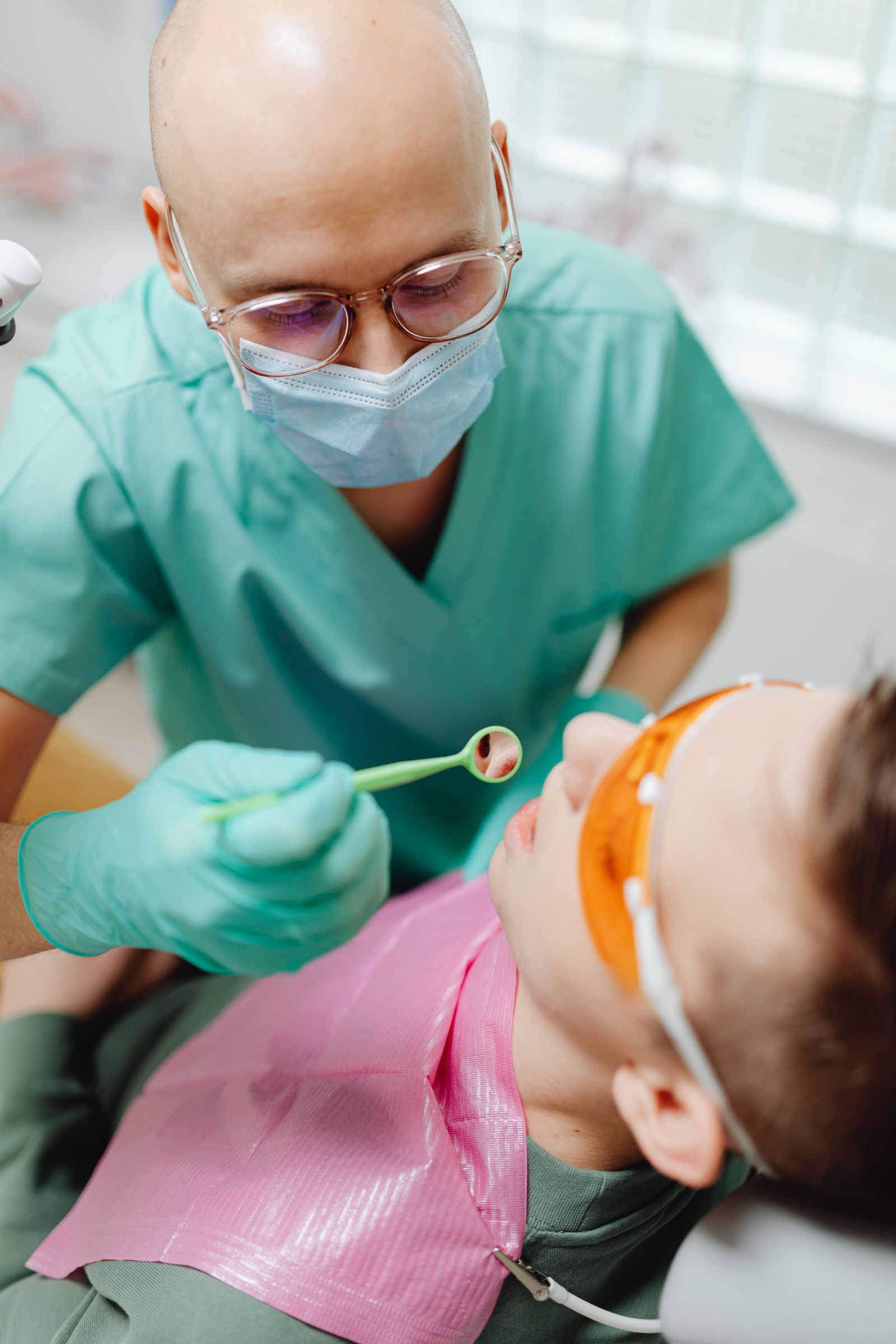
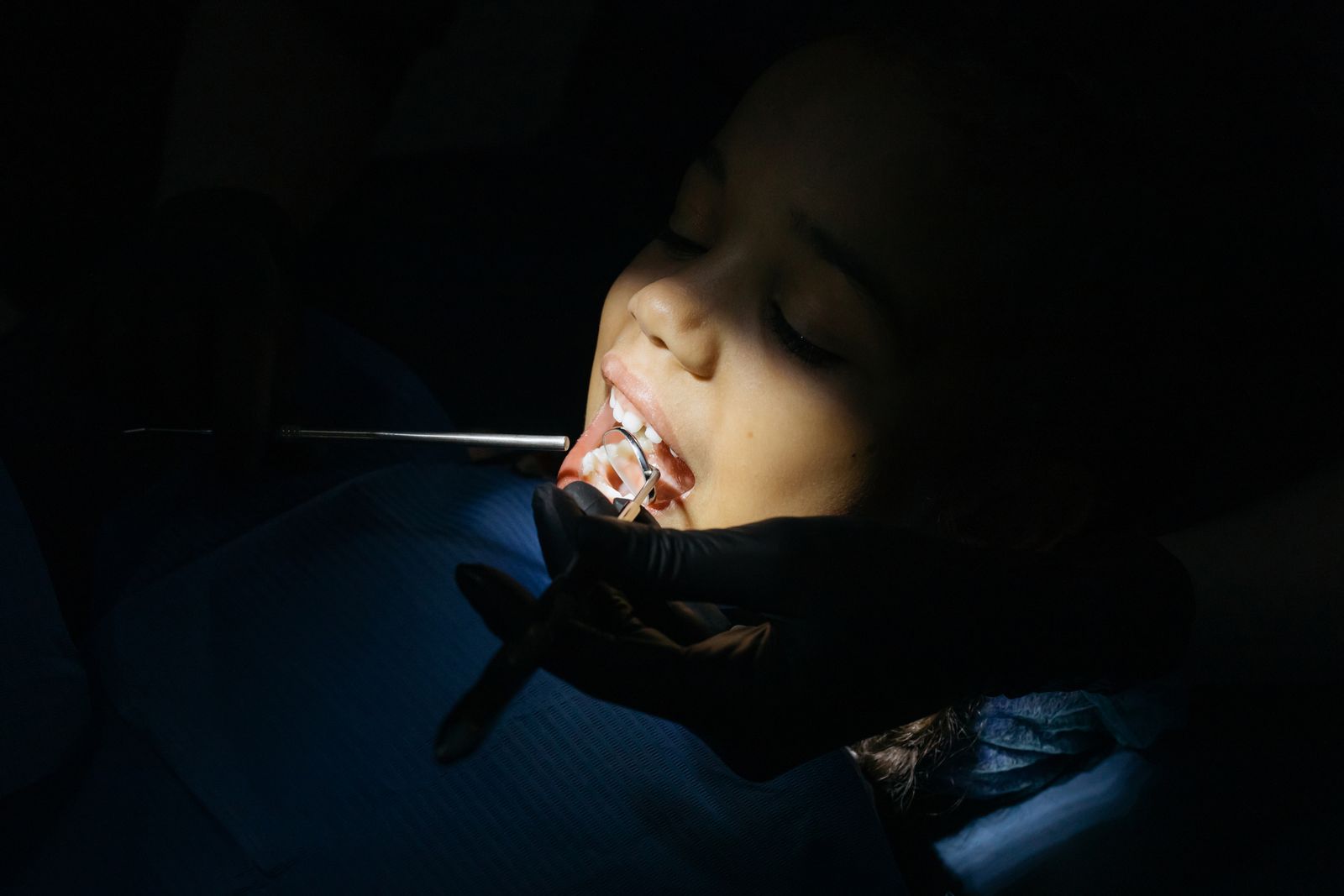
Exam, cleaning and polish, fluoride varnish, and X-rays only when they are due. If the permanent molars are in and the grooves are deep, we will talk about sealants at the same visit so you are not making a second trip.
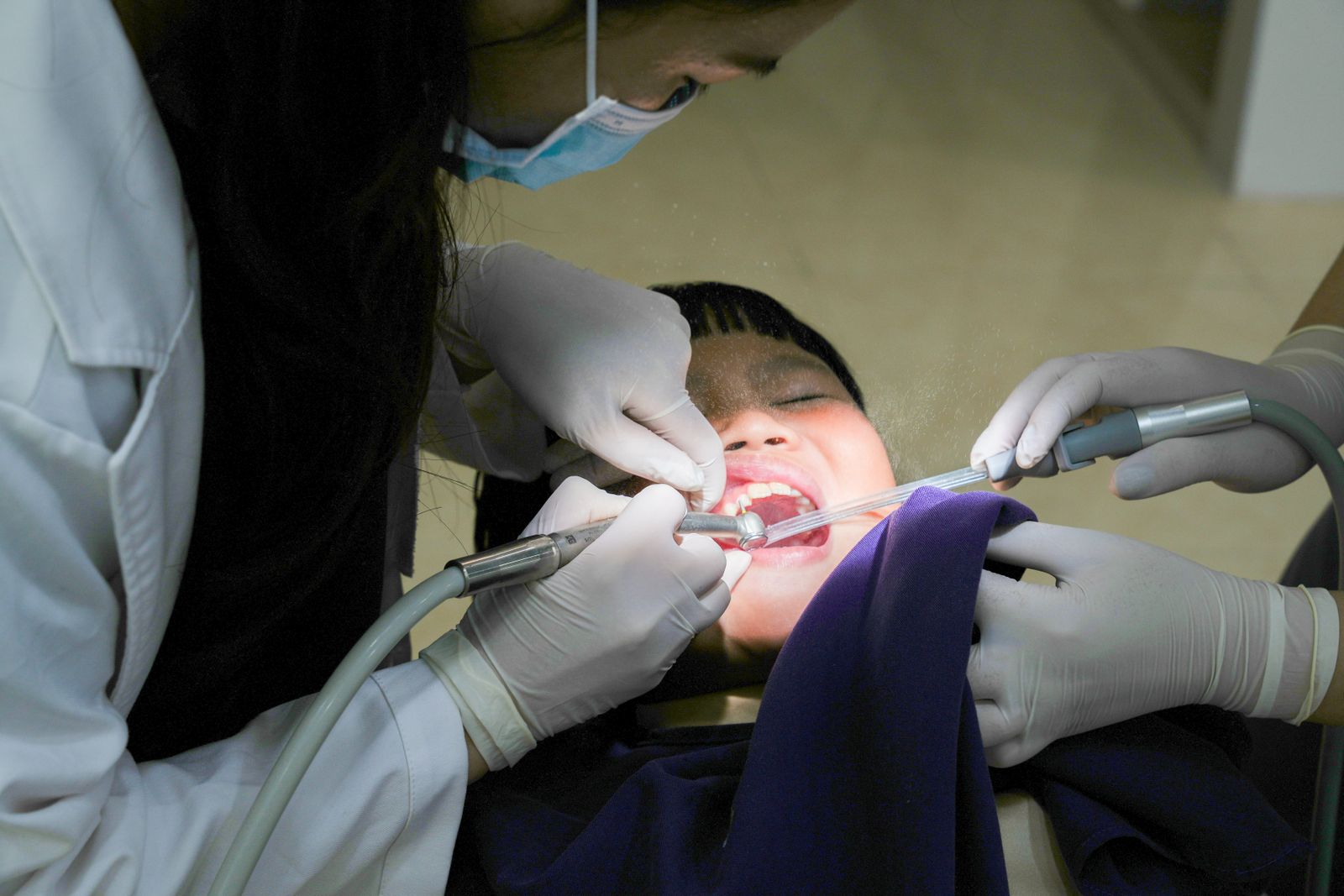
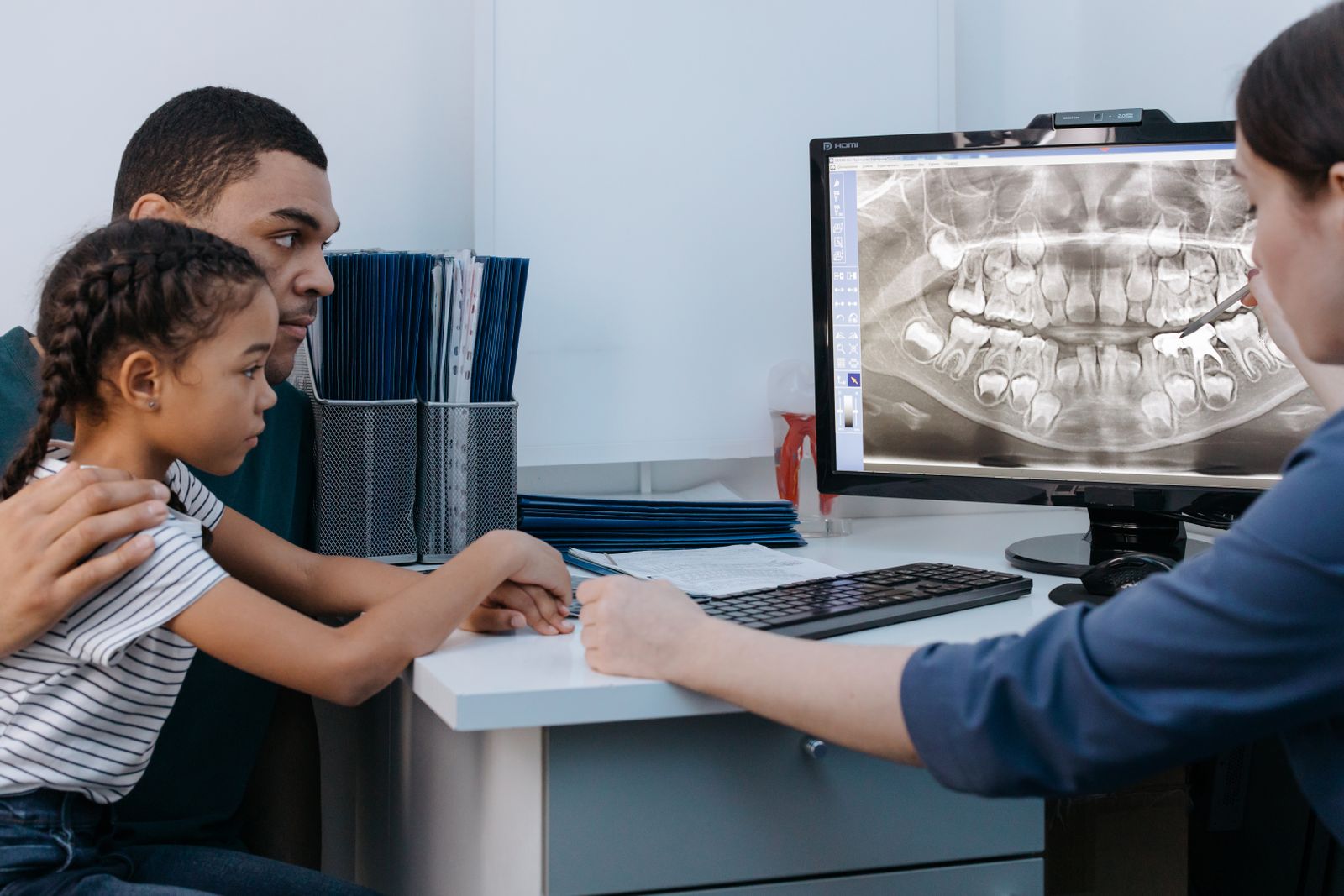
Pain in a child's tooth is worth a call today, not on Monday. We find the source with an exam and a small X-ray, settle the tooth, and only then talk about treatment. Deep decay in a baby molar is often treated with a pulpotomy and a crown so the tooth can hold its space until it sheds.
A knocked-out permanent tooth is the one dental problem where minutes genuinely change the outcome, and a knocked-out baby tooth should never be pushed back in. Our emergency guide walks you through the first five minutes by injury, then call and we will see you.
Chalky white patches near the gumline are often early demineralisation, which can still remineralise with fluoride and a change in snack timing. Brown or dark pits in the grooves usually need a filling or a crown. We will show you the photo on the screen so you can see what we see.
Around seven the first permanent molars and incisors are in, which is the earliest point a crossbite, a narrow arch or a crowding pattern can be read reliably. Most children need nothing yet. Some benefit from a short phase one with an expander or Invisalign First while the jaws are still growing.
For tweens and teens we take a digital scan, look at the bite in and out of occlusion, and lay out the realistic options. Clear aligners suit most teens who will wear them the hours they are asked to. Some bites still do better with brackets, and we will say so.
A chipped front tooth is usually smoothed or rebuilt with composite bonding in one visit. A tooth that has turned grey after a knock needs an X-ray before anything cosmetic, because the colour change comes from the nerve, not the surface. Staining on teen teeth is a whitening conversation, not a bonding one.
We scan the arch, send it to the lab in your child's team colours and fit it about a week later. A custom guard is thinner than a boil-and-bite, so kids can talk and breathe in it, which is the only reason any mouthguard ever stays in a mouth.
Tell us before you arrive and we will book a quiet slot, send photos of the room ahead of time, and plan the visit to stop whenever your child raises a hand. Comfort measures settle most children. When they are not enough we have a ladder of options, up to hospital dentistry with an anaesthesiologist.
General information, not dental advice. A suggestion from three questions is a starting point, never a diagnosis. Only an exam can tell you what your child actually needs.
Everyday care
The visits that keep small problems small: checkups, cleanings, cavity armor and same-day help when something breaks.
Yes. Nitrous oxide is a safe, mild relaxant that wears off within minutes. Many kids say it feels like floating.
We use tell-show-do, let kids set the pace, offer headphones and ceiling TVs, and book longer visits when needed. Sedation is available when comfort measures are not enough.
Call (208) 555-0144. We hold same-day emergency slots, and after hours the line reaches our on-call dentist.
Happy teeth start here
New patients are usually seen within 10 days. Tell us a little about your child and we will call to confirm a time that works.