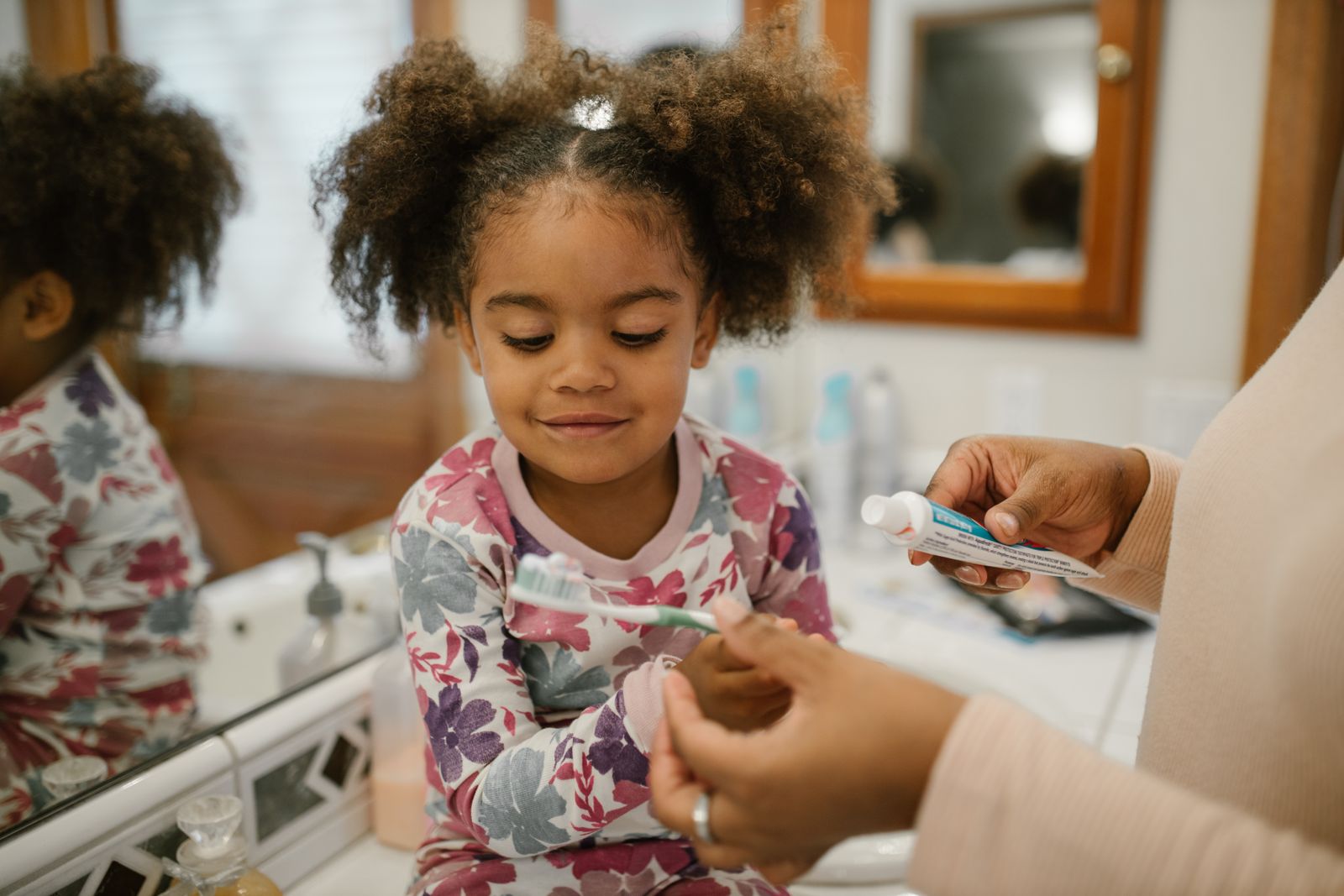
Why age 7 is the right time for an orthodontic check
Your child might still have baby teeth, but age 7 is when we can spot bite problems early and guide jaw growth. Here is what we look for.

Most parents picture orthodontics as a middle school or teen thing. So when we suggest an orthodontic check at age 7, we often get a surprised look. The American Association of Orthodontists recommends it for good reason: by 7, the first adult molars and front teeth have usually arrived, and we can see how the bite and jaw are developing while there is still plenty of growth to work with.
An age 7 check does not mean your child is getting braces. The vast majority of kids we screen simply need to be watched. But for the few who do need early help, treating at the right time can make later treatment shorter, simpler, or unnecessary.
What we look for
During a routine checkup around age 7, we look at how the teeth and jaws fit together and how they are growing.
- Crossbites, where upper teeth sit inside the lower teeth
- Crowding or not enough room for incoming adult teeth
- Underbites and large overbites
- Open bites, often linked to thumb sucking or pacifiers
- Early or late loss of baby teeth
- Jaw shifts when your child bites down
Why early can be easier
At age 7 to 10, the upper jaw is still made of two halves joined by a growth suture. That means a narrow upper arch can often be widened gently with an expander or aligners. After puberty, the same problem may need more involved treatment.
Early treatment can also protect front teeth that stick out and are at higher risk of breaking in a fall, and it can correct a crossbite that is causing the jaw to shift and grow unevenly.
The growth timeline
Here is the rough timeline we follow for most children.
- Age 6: first adult molars and lower front teeth arrive
- Age 7: orthodontic screening at a regular checkup
- Age 8 to 10: Phase 1 treatment if needed, often 6 to 12 months
- Age 10 to 12: remaining baby teeth shed, monitoring continues
- Age 12 to 14: Phase 2 or full treatment if needed
- Late teens: retainers and wisdom tooth check
Invisalign First and other options
For kids with mixed baby and adult teeth, Invisalign First can expand arches and align front teeth without metal brackets. It is removable for meals and brushing, and kids love seeing their 3D treatment preview. Some bites respond better to a fixed expander or traditional braces, and when that is the case we refer to trusted Treasure Valley orthodontists and share our records.
Habits that affect the bite
Thumb sucking and pacifier use past age 3 to 4 can push front teeth forward and create an open bite. Mouth breathing, often caused by large tonsils or allergies, can affect how the face and jaws grow. If we notice these patterns, we will talk about gentle habit coaching or a referral to your pediatrician or an ENT.
What to do next
If your child is 6 or 7, the screening happens at their regular checkup, at no extra cost. If we see anything worth watching, we will take photos and explain the options, including the option to wait. There is never pressure to start treatment before your child needs it.
This article is general education for parents, not medical or dental advice. Every child is different, and results vary. Ask your own dentist or pediatrician about your child's situation.