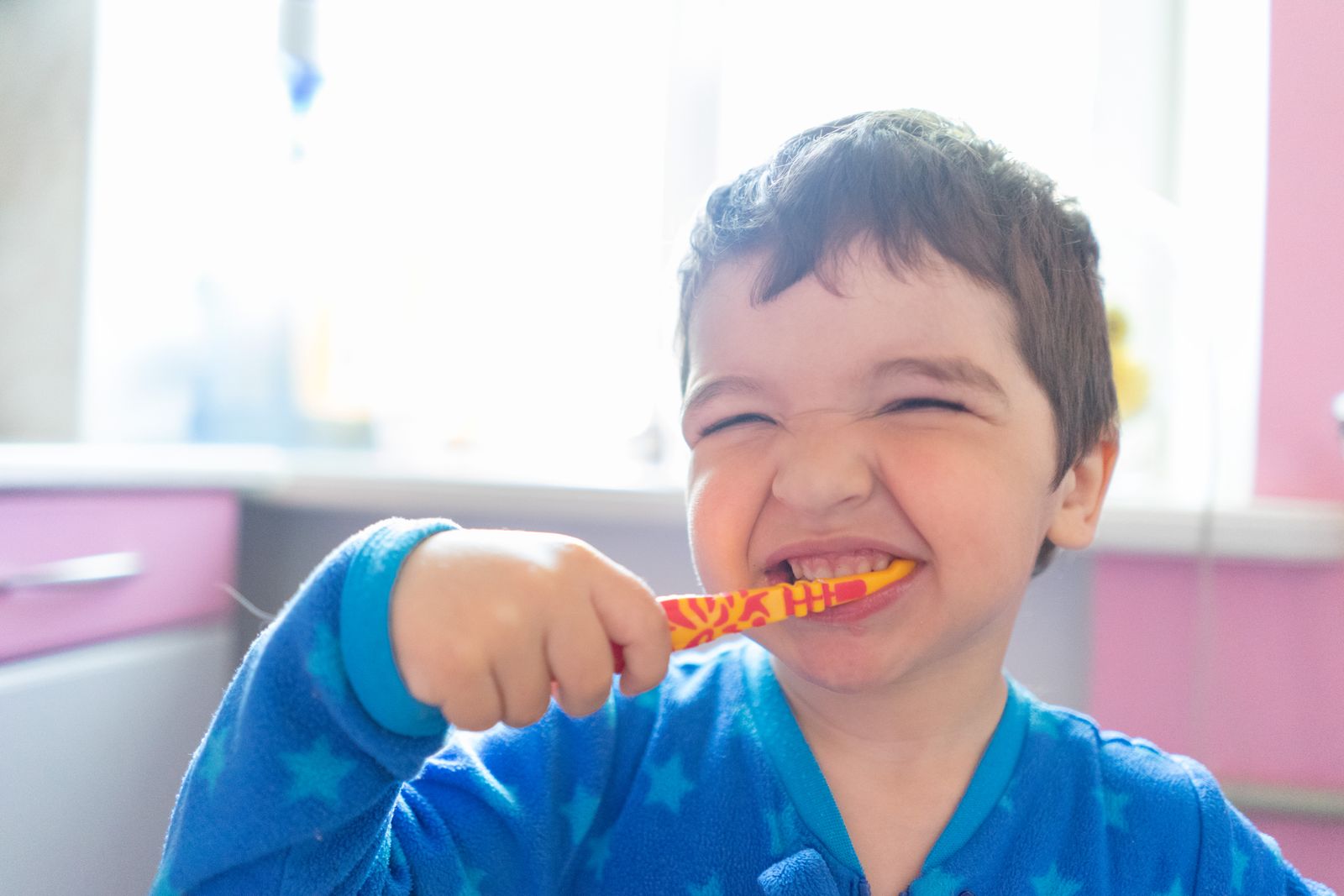
Your child's first dental visit: what really happens
No drills, no lectures. Here is exactly what a first visit looks like, minute by minute, and how to set your little one up for a great experience.
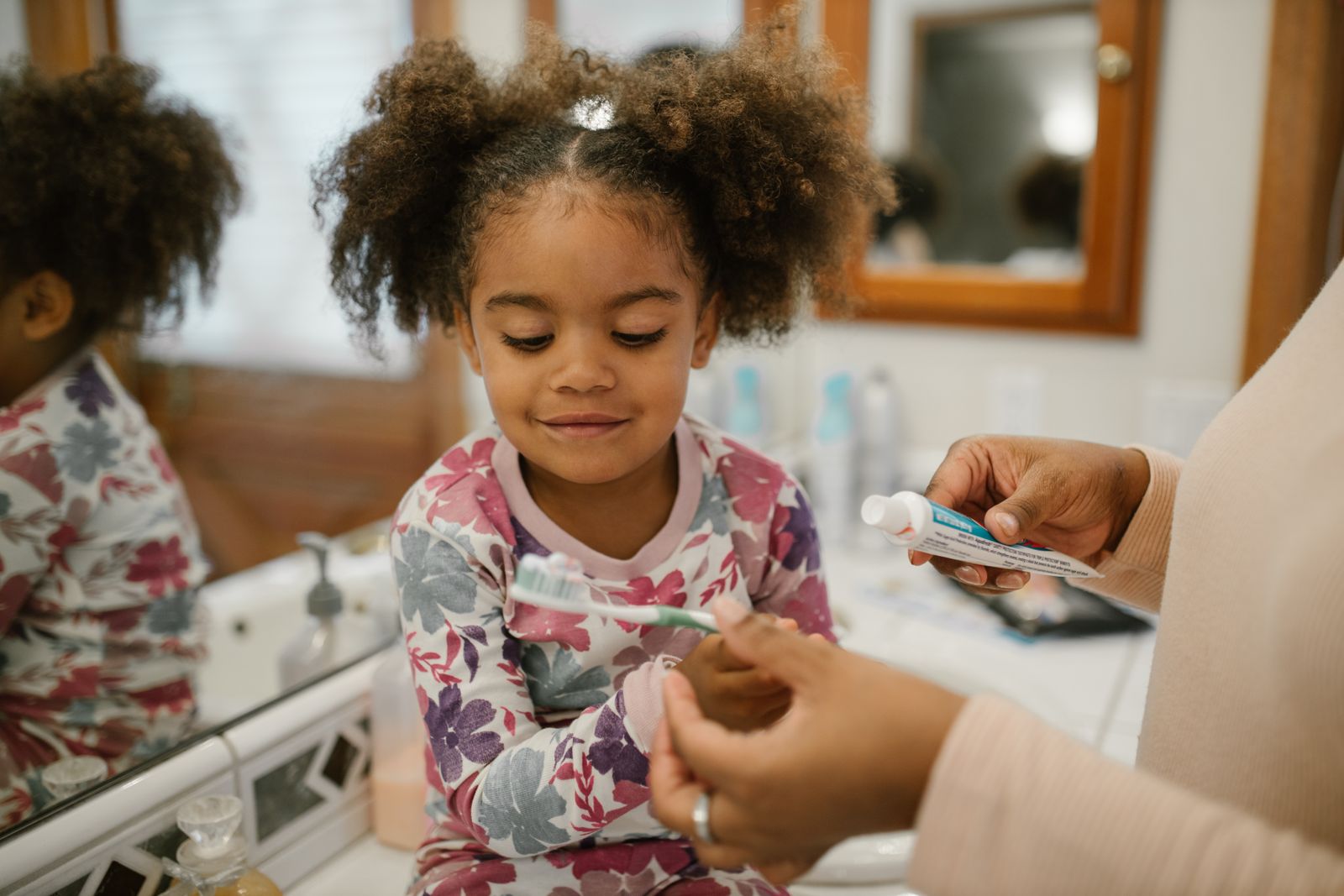
Parents often tell us they have been putting off the first dental visit because they are not sure what it involves, or because they worry their toddler will scream the whole time. Both are completely normal. The good news is that a first visit at Little Molars is closer to a playdate with a flashlight than a medical procedure.
The American Academy of Pediatric Dentistry recommends a first visit by the first birthday or within six months of the first tooth. That can feel early, but tooth decay is the most common chronic disease in childhood, and it can start as soon as teeth break through the gums. An early visit lets us catch soft spots before they become cavities, and it gives you a plan for the years ahead.
Before you arrive
When you book, our coordinators ask a few questions about your child's health history, any medications and how they feel about new places. If your child has sensory sensitivities or has had a tough medical experience, tell us. We can book a quiet time, dim the lights or plan a short happy visit with no exam at all.
At home, keep the language simple and positive. Try saying "the dentist is going to count your teeth" rather than "it will not hurt." Kids pick up on the word hurt even when it is paired with not. Reading a picture book about the dentist or playing pretend with a stuffed animal helps too.
The first ten minutes: a tour
Every first visit starts with a slow walk through the office. Your child meets the hygienist, sees the prize wall and gets to ride the big chair up and down. We show them Mr. Thirsty, our little suction straw, and let them feel the air and water on their hand. Nothing touches their mouth until they have seen it.
The knee-to-knee exam
For babies and toddlers, we use a knee-to-knee position. You sit facing the dentist, your child lies back with their head in the dentist's lap and their body in yours. It lets your child see and feel you the whole time, and it gives us a clear view of every tooth.
The dentist counts teeth, checks the gums, tongue and the little tissue under the lip, and looks for early white spots that signal weak enamel. If your child cries, that is fine. Crying actually opens the mouth nicely and it passes as soon as the exam is over, usually in under two minutes.
- Tooth count and eruption check
- Gum, tongue and lip tie screening
- Early decay and enamel check
- Bite and jaw growth check
- Fluoride varnish in a kid-approved flavor
The part for parents
The most valuable part of the first visit is the conversation afterward. We cover teething comfort, how much toothpaste to use, night bottles and sippy cups, pacifiers and thumb sucking, and the snacks that quietly cause the most cavities. You will leave with a one-page plan written for your child's age, not a generic pamphlet.
We also talk about fluoride. For most Boise families, the city water supply contains only low natural fluoride, so varnish at checkups and a rice-grain smear of fluoride toothpaste do a lot of heavy lifting.
After the visit
Your child picks a prize, gets a new toothbrush and a sticker that says they visited the dentist. Celebrate it. Kids who have positive early visits are far more likely to become teens and adults who keep up with care without fear.
We will book the next checkup for six months out, and if we noticed anything to watch, we will explain it in plain words and show you on a photo. If you have questions later, call or message us any time.
Quick checklist for the big day
A little preparation makes the visit smoother for everyone.
- Schedule for the morning or after a nap, when kids are rested
- Bring insurance card and any medication list
- Pack a favorite stuffed animal who can get a checkup too
- Skip a big snack right before, but do not arrive hungry
- Plan something fun afterward, like a stop at the park
This article is general education for parents, not medical or dental advice. Every child is different, and results vary. Ask your own dentist or pediatrician about your child's situation.